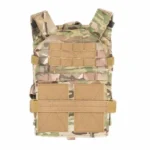

Body armor
Body armor is a critical piece of protective equipment designed to shield the wearer from ballistic or stab threats. It is commonly used by law enforcement officers, military personnel, first responders, security guard and civilians who operate in potentially hazardous environments. Given the diverse user needs, companies like Arctos Industries specialize in distributing body armor that offers maximum protection and comfort through unique and functional designs. When it comes to international travel, there are various reasons why individuals might need to carry body armor. Whether for professional duties, personal safety, or specific assignments abroad, ensuring the protection of oneself is paramount. The key takeaway here is that while flying with body armor is possible, it is crucial to understand and comply with the relevant regulations to avoid any legal complications or travel disruptions. Understanding Body Armor Regulations for Travel Navigating the body armor regulations for international travel can be complex due to variations by state and country. Each destination may have its own set of rules, reflecting differing security concerns and legal stipulations. This makes it vital to thoroughly research the specific regulations of your intended destinations. 1. Country-Specific Rules Some countries, like the United Kingdom, impose strict controls on body armor, requiring special permits for its possession or importation. Others, such as Australia, classify body armor as a prohibited item without proper authorization. 2. State Variations Within the United States, regulations can also vary by state. For instance, while most states allow civilians to own body armor, certain jurisdictions have additional restrictions on its purchase or use. It is equally important to consider airline and airport policies which may impose additional travel restrictions on flying with body armor. Different airlines might have unique guidelines or requirements for transporting protective gear. 3. Airline Restrictions Always check with your airline before travel to understand their specific policies regarding body armor in both carry-on and checked luggage. 4. Airport Security Protocols Airports may have their procedures for screening and inspecting body armor. Ensure you comply with these protocols to avoid delays or confiscations during security checks. By understanding these regulations and proactively checking policies, travelers can better prepare for a smooth journey when flying with body armor. Complying with TSA Guidelines: Carrying Body Armor in Your Luggage When you travel with body armor, it’s important to understand and follow the rules set by the Transportation Security Administration (TSA). The TSA allows passengers to bring body armor in both their carry-on and checked bags, but there are some things you should know. TSA Rules for Carrying Body Armor Here’s what you need to know about carrying body armor according to the TSA: 1. Carry-On Baggage You can bring body armor in your carry-on bag, but there are a few things to keep in mind: 2. Checked Baggage If you prefer, you can also pack your body armor in your checked luggage instead of carrying it on the plane: Factors to Consider When deciding whether to pack your body armor in your carry-on or checked bag, here are some factors worth considering: By thinking about these factors and following the TSA guidelines, you can have a smoother experience when traveling internationally with body armor. Tips for Packing and Securing Body Armor in Your Bags When packing body armor for international travel, ensuring its protection and facilitating the inspection process by security officers is paramount. Here are some practical tips to help you pack and secure your body armor effectively: Selecting the Right Luggage Packing Techniques Securing the Armor Facilitating Inspection Adhering to these tips ensures that your body armor remains safe throughout your journey while also streamlining the inspection process at security checkpoints. Seeking Authorization and Permits for Restricted Destinations When you’re planning to travel to countries with strict regulations or complete bans on body armor, it’s important to seek authorization or special permits. Each country has its own rules about owning and carrying protective gear, usually because of national security concerns or local laws. Finding the Right Authorities To get the permits you need, it’s crucial to know which authorities to approach. Here’s how you can do that: Applying for Authorization or Permits Here are the steps involved in getting your authorization or permits: By following these steps diligently, travelers can navigate through the complexities of international body armor regulations and obtain the necessary permissions for a smooth journey. Insuring Your Body Armor for Added Protection Ensuring the protection of your body armor against potential damage, theft, or loss during international travel is crucial. Insurance serves as an added layer of security, safeguarding your investment in this vital protective gear. Why Insure Your Body Armor? Body armor is a significant investment, often comprising materials and technologies that are costly to replace. The risks associated with international travel—ranging from mishandling by baggage handlers to theft—underscore the need for insurance. Having appropriate coverage can: Suitable Insurance Options When selecting an insurance policy, ensure it explicitly covers body armor. Some recommended options include: By insuring your body armor, you mitigate the financial risks associated with its potential loss or damage during international travel, ensuring peace of mind and continuity in protection. Staying Updated on Changing Regulations and Advisories Traveling with body armor requires constant vigilance due to rapidly changing regulations and travel advisories. To ensure compliance and avoid potential complications, it’s crucial to stay informed about any updates or revisions in body armor policies for your intended destinations. Key Resources: Tips for Staying Updated: Staying informed about changing regulations and travel advisories ensures that you can navigate international travel with body armor smoothly, avoiding unnecessary risks and ensuring compliance with all relevant laws. Visit here to read more blogs like this. Conclusion Traveling internationally with body armor requires careful planning and adherence to various regulations. Understanding the rules and guidelines is essential for a hassle-free journey. Key points to consider include: Taking these steps ensures that you can confidently navigate the process of flying with body armor. By understanding and complying with the applicable rules, you can protect this crucial equipment while ensuring its safety and security throughout your journey. FAQs (Frequently Asked