
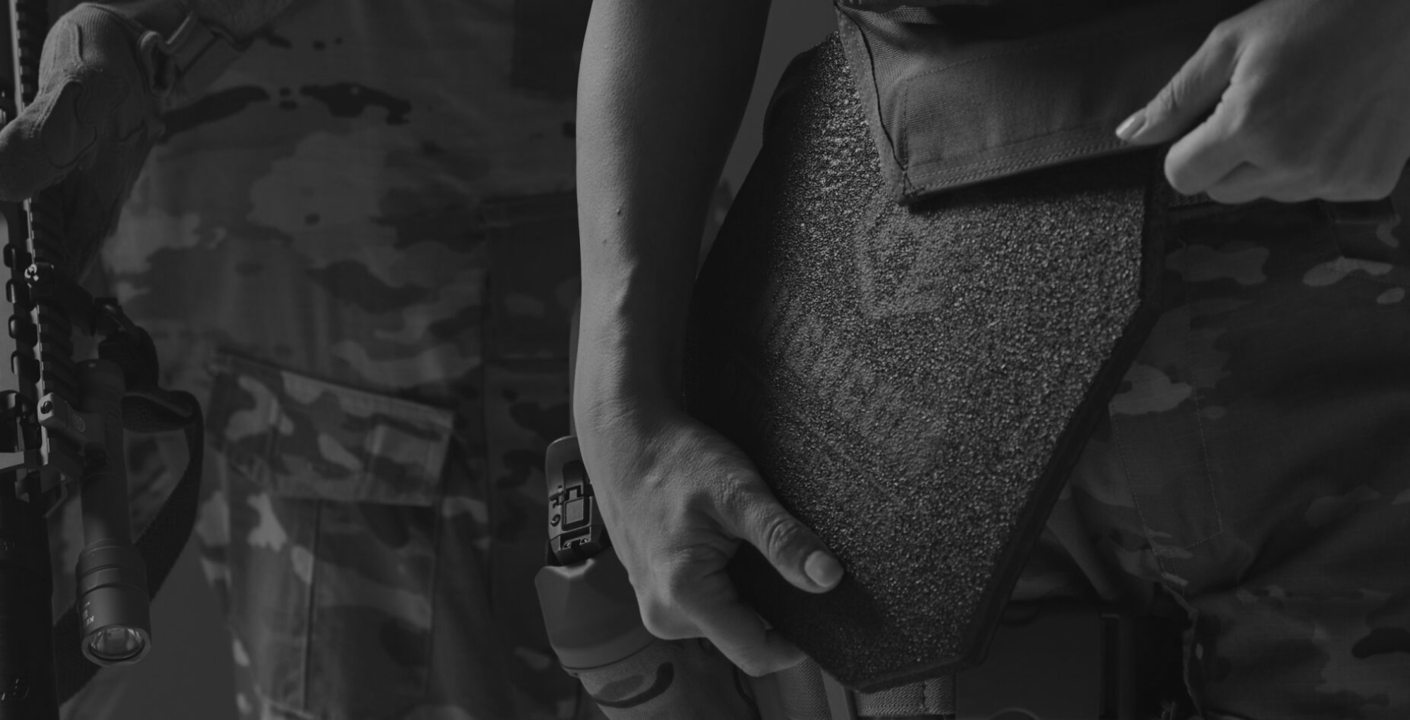
Most rifle plates on the market still carry the old labels. Level III. Level IV. The confusing one in between that every manufacturer called “Level III+” and defined however they liked.
That is changing, and the HighCom 3s7M and 3s21M are two of the plates leading the switch. HighCom built and tested both to NIJ Standard 0101.07, the first revision of the national body armor standard since 2008. One is rated RF1, the other RF2. If you have been trying to figure out what those labels mean and whether these plates belong on your shortlist, here is what we know.
RF1 and RF2 in Plain Terms
NIJ 0101.07 dropped the Roman numerals. Rifle protection is now graded RF1, RF2 and RF3, with “RF” simply meaning rifle.
RF1 takes the place of Level III, but it asks more of a plate. Under the old standard, Level III testing focused on 7.62x51mm M80 ball. RF1 adds two rounds that buyers had been asking about for years: 5.56x45mm M193 and 7.62x39mm mild steel core.
RF2 is the new one. It covers every RF1 threat plus 5.56x45mm M855, the steel penetrator round most people call green tip. Before 0101.07 there was no NIJ level for M855 at all, which is exactly why “Level III+” meant something different on every spec sheet you read. RF2 puts a single, tested definition on it.
RF3 is the equivalent of the old Level IV, built for armor piercing rounds. Neither plate in this article is an RF3, and for a lot of buyers that is the point.
“Tested To” Versus “Certified”
I’ll be the first to admit this part trips people up, so it is worth a minute.
NIJ published its first 0101.07 Compliant Products List (CPL) on June 23, 2026. A plate only counts as an NIJ 0101.07 certified plate once it appears on that list and carries the matching label. Before that, manufacturers send plates to NIJ approved laboratories and publish results as “tested to NIJ 0101.07.”
HighCom describes both the 3s7M and 3s21M as tested to NIJ 0101.07 and independently tested by an NIJ approved laboratory. That is real third party data, not marketing copy. If your agency’s procurement rules require CPL listing, though, check the current list for the exact model before you write the purchase order. We can confirm the current status for you on any quote.
The HighCom 3s7M RF1 Plate
The 3s7M sits in HighCom’s Superior Range, which is their top tier. It is a polyethylene plate (UHMWPE, or ultra high molecular weight polyethylene) pressed using HighCom’s XTclave ultra high pressure process. That process is what lets a polyethylene plate come out thin and multi curve instead of thick and flat, which used to be the main complaint about PE armor.
Here is the spec breakdown from HighCom:
- Protection: NIJ 0101.07 RF1, standalone
- Rounds tested: 7.62x51mm M80 at 2,780 ft/s, 7.62x39mm MSC at 2,400 ft/s, 5.56x45mm M193 at 3,250 ft/s
- Weight: 2.17 lbs (10×12 shooter cut), 2.46 lbs (SAPI medium), 2.82 lbs (SAPI large)
- Extra validation: Rifle Special Threats (RST) validated
- Other features: multi hit capable, positive buoyancy
- Cover: 1000D CORDURA textured nylon
- Warranty: 5 years ballistic, 1 year cover
- HighCom list price: $719 to $1,169 depending on cut and size
A medium SAPI pair comes in under 5 pounds. You know the saying: ounces equal pounds, and pounds equal pain. For an officer who wears rifle protection through a full shift, that number tends to decide whether the plates get worn or left in the trunk.
Positive buoyancy means the plate floats. For marine units, river patrol and anyone working around water, that is a genuine selection factor, not a novelty.
The honest trade-off is the threat ceiling. RF1 does not include M855. If green tip is a realistic concern for your team, the 3s7M is the wrong tool, no matter how light it is.
The HighCom 3s21M RF2 Plate
The 3s21M is the plate for buyers who need that M855 coverage. It sits in HighCom’s Enhanced Range and uses a ceramic strike face over a UHMWPE backing, also built with XTclave. The ceramic is what handles the steel penetrator in M855. The polyethylene behind it catches what is left.
- Protection: NIJ 0101.07 RF2, standalone
- Rounds tested: all three RF1 rounds above, plus 5.56x45mm M855 green tip at 3,115 ft/s
- Weight: 3.84 lbs (10×12 shooter cut), 4.35 lbs (SAPI medium), 4.98 lbs (SAPI large)
- Other features: multi hit capable
- Cover: 1000D CORDURA textured nylon
- Warranty: 5 years ballistic, 1 year cover
- HighCom list price: $599 to $679 depending on cut and size
Two things stand out to me here. First, a medium SAPI pair weighs 8.7 pounds, which is lighter than a lot of single Level IV ceramic plates we have handled. Second, the price. The RF2 plate costs less than the RF1 plate, which surprises almost everyone the first time they see it.
The trade-offs are just as clear. It is roughly 1.8 to 2.2 pounds heavier per plate than the 3s7M depending on size. It does not float. And like any ceramic plate, it deserves careful handling, so many agencies inspect them on a schedule and keep them out of hard drops.
Which One Fits Your Needs?
There is no best plate here, only the better fit for how your people actually work. Here is how we usually see buyers sort it out:
- Consider the 3s7M if weight and low profile matter most, if your threat assessment centers on common rifle ball ammunition, or if your team works on or near water.
- Consider the 3s21M if M855 is a threat you need covered, if budget per plate matters, or if you are moving away from heavier Level IV plates and want a lighter middle ground.
- Look at both if you outfit different roles. Some departments put the lighter RF1 plate with patrol and the RF2 plate with teams facing a wider threat picture.
Both come in shooter cut and SAPI medium and large, both are made in Columbus, Ohio, and both are Berry compliant, which matters if federal money is paying for the order.
For Law Enforcement and Military professionals: your agency’s training officers and SOPs should guide your specific setup and employment. This article focuses on gear specifications and considerations to inform purchasing decisions.
What About Your Current Armor?
If your team wears Level III or Level IV plates certified under 0101.06, nothing about this change makes them obsolete. NIJ expects to keep the 0101.06 list active through at least the end of 2029. Plates inside their warranty and service life, and in good condition, are still doing their job.
Where 0101.07 matters most is your next purchase. If plates are coming up for replacement in the next year or two, it makes sense to compare against the new RF ratings now rather than buying into an outgoing label.
Getting These Plates Through Arctos
Arctos sources HighCom directly for agencies, units and individual buyers. You can see the full lineup on our HighCom Armor brand page, or compare these two against other options in our rifle plate selection.
Still weighing RF1 against RF2 for your team? Tell us what your people do day to day, what threats you are planning for and what your budget looks like, and we will help you land on the right plate.
Have you started moving your team over to the new RF ratings yet, or are you holding with 0101.06 plates for now?