Building Your First Serious Plate Carrier Setup with HRT
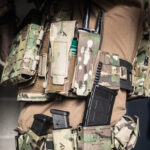
By Duncan Horner, CEO — Arctos Industries For Law Enforcement and Military professionals: your agency’s training officers, unit SOPs, and chain of command should guide your specific gear configuration and operational employment. This article focuses on equipment specifications and setup considerations to inform gear selection decisions. The first plate carrier setup most people build is either too minimal to be useful or overloaded to the point where it creates more problems than it solves. Both mistakes come from the same place: building a carrier around what looks right in product photos rather than around what the carrier actually needs to do. HRT gear is built for operators who take their configuration seriously, which means it rewards deliberate setup decisions and exposes undisciplined ones. This guide covers what goes on a first carrier setup, how to fit it correctly, and the mistakes that are worth avoiding before you’ve spent money on gear you’ll end up removing. Start With the Carrier Fit Before You Add Anything The most common first-carrier mistake is loading up the carrier before confirming the fit. A carrier that doesn’t sit correctly on your torso won’t fit correctly regardless of what you put on it, and adjusting the fit after you’ve configured the pouches means reconfiguring the pouches after every adjustment. Get the fit right first. The carrier should sit with the top edge of the front panel roughly at your collarbone and the bottom edge above your navel. That position protects the vital zone without restricting hip movement or creating a pressure point on the lower abdomen during movement and vehicle operations. If the carrier is sitting lower than that, the shoulder straps need to come up. If it’s sitting higher, they need to come down. The cummerbund tension is the second fit adjustment, and it’s the one most people set wrong. The cummerbund should be snug enough that the carrier doesn’t shift laterally under movement, not tight enough to restrict breathing under exertion. A carrier that’s cummerbund-tight to the point where your breathing is restricted during physical activity will come off during sustained training and get left behind during operational use. Snug is the standard. Compressed is a mistake. Wear the carrier over whatever you’ll actually wear under it before finalizing the fit. A carrier fitted over a t-shirt that gets worn over a uniform shirt and body armor will need to be readjusted. Fit it for the actual layering configuration you’ll run in the field, not for the lightest possible configuration at the time of setup. The HRT carrier range includes sizing guidance for different torso profiles and plate sizes. Confirm the carrier size against your actual plate dimensions before purchasing, because a carrier sized for medium plates run with large plates will produce fit problems that adjustment can’t resolve. What Actually Goes on a First Carrier Setup The right answer to what goes on a first carrier is less than you think and more deliberate than most first setups are. The goal is a configuration that serves the specific role the carrier is being built for, with everything on it accessible under stress and nothing on it that creates bulk or weight without operational justification. For a patrol or general law enforcement configuration, the front panel needs magazine storage for your primary weapon, a tourniquet in an immediately accessible position, and nothing else that doesn’t have a specific operational justification. Two to four rifle magazine pouches depending on your primary weapon and mission profile. A tourniquet mounted where you can access it with either hand without looking. That’s a functional patrol carrier front panel. The temptation to fill every MOLLE position on the front panel with pouches produces a carrier that’s heavy, slow to access under stress, and difficult to don and doff quickly. Every pouch on the carrier adds weight, adds bulk, and adds a potential snag point. Add pouches when you identify a specific operational need they address, not because the MOLLE positions are there to be filled. For a first setup on an HRT carrier with a placard-compatible front panel, configure the placard rather than attaching pouches directly to the carrier. The placard gives you the ability to swap the entire front panel configuration when your requirements change rather than rebuilding the carrier pouch by pouch. That flexibility is worth building into the setup from the start rather than retrofitting later. The HRT placard options include pre-configured setups for common patrol and entry configurations that give first-time buyers a functional starting point without requiring them to make every individual pouch placement decision from scratch. The Belt System You’re Probably Underestimating First-time carrier buyers typically invest heavily in the carrier and minimally in the belt, which produces a loadout where the most critical access items, pistol, tourniquets, secondary magazines, are on a belt system that wasn’t designed to work with the carrier or to perform under the physical demands of operational use. The belt system is your first line of gear, meaning it’s what you have if the carrier comes off and it’s where the items you access most frequently under pressure should live. A pistol holster on a duty belt that shifts under movement, a tourniquet in a belt pouch that requires two hands to access, and magazine pouches that don’t index consistently under stress are gear problems that affect performance independently of how well the carrier is configured. HRT’s first line gear is designed to work with their carrier line as an integrated system, with the belt height and attachment options that keep the carrier and belt from fighting each other during movement. The inner and outer belt relationship is what determines system stability, and a belt setup that uses an HRT outer belt with a compatible inner belt produces consistent pouch positioning that a duty belt with pouches clipped to it doesn’t. For a first setup, the belt priorities are the same as the carrier priorities: pistol access, tourniquet access, and secondary magazine access, configured consistently and verified