
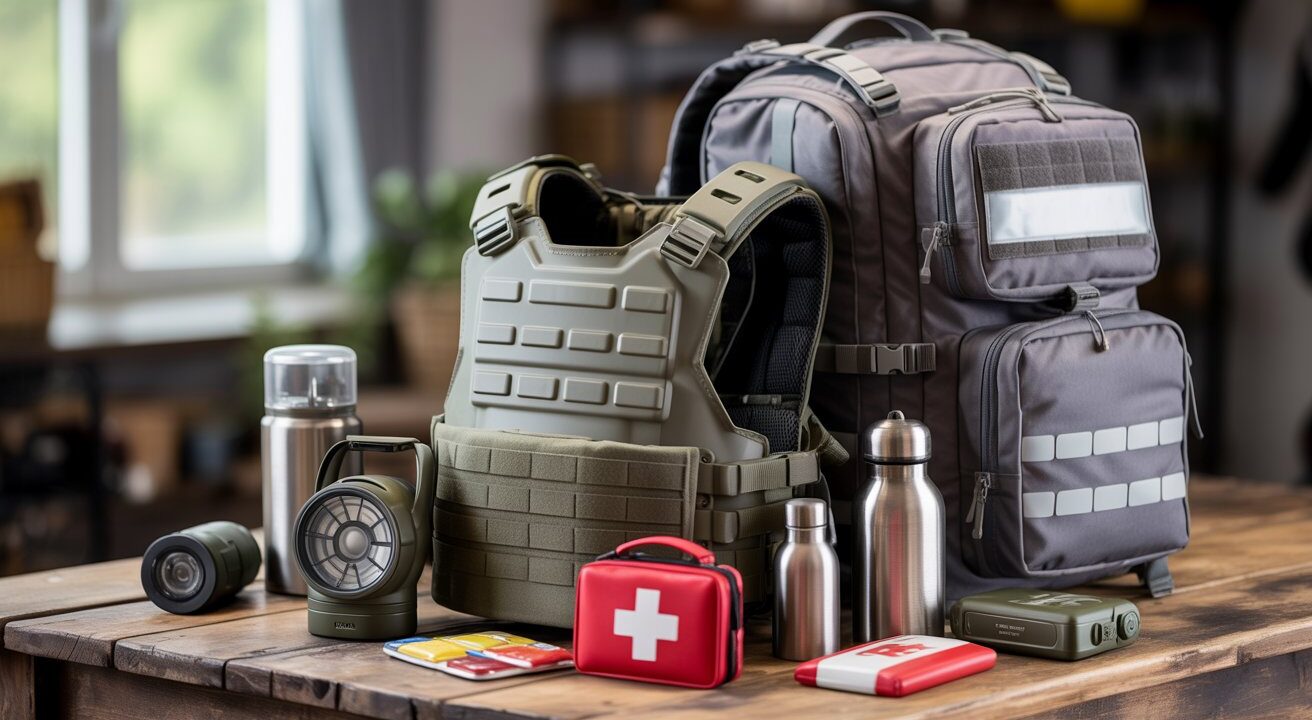
The problem with buying armor for a SHTF scenario is that “SHTF” describes everything from three days of civil unrest to a prolonged grid-down situation, and those scenarios have genuinely different protection requirements. Buying for the most extreme version of the worst case produces gear that’s impressive on paper and impractical under the actual conditions you’re most likely to face.
The more useful approach is to be honest about your realistic threat environment, then work backward to a specification that serves you across the range of scenarios you’re actually preparing for.
The Threat Spectrum Changes Everything
Most civilian preparedness scenarios, even serious ones, involve handgun-level threats as the primary ballistic concern. Civil unrest, opportunistic criminal activity during infrastructure disruption, and close-proximity confrontations are overwhelmingly handgun environments. NIJ Level IIIA soft armor addresses that threat profile comprehensively, at a fraction of the weight of a hard plate system, and in formats wearable across extended periods.
Rifle-level threats become realistic in a smaller subset of scenarios, primarily prolonged societal breakdown where organized armed groups are operating in your area. If your threat assessment honestly includes that scenario, a Level III plate carrier setup becomes justifiable. If you’re adding rifle plates because the idea of civil unrest is frightening rather than because your specific situation makes rifle threats probable, you’re over-speccing in ways that will cost you in mobility and sustained wearability.
At Arctos, the most common mistake we see in preparedness-oriented purchases is specification driven by anxiety rather than realistic threat mapping. The gear that serves you best in a SHTF scenario is the gear you can wear, move in, and sustain across hours and days, not the gear that represents maximum protection on a specification sheet.
Sustained Wearability: The Metric That Matters Most
A one-hour tactical operation has a different wearability requirement than a 72-hour preparedness deployment. This is the factor that separates useful SHTF armor from impressive-but-impractical SHTF armor.
A full Level IV ceramic plate carrier setup can run 25 to 30 pounds fully configured. That weight is manageable for intermittent wear and vehicle-based operations. Over extended foot movement, labor-intensive tasks, or multi-day deployment, it becomes a serious physical burden that degrades the performance it was purchased to support.
For most civilian preparedness contexts, a tiered approach makes more practical sense:
Primary layer: NIJ Level IIIA soft armor in a quick-don vest format. Lightweight, wearable for extended periods, addresses the most realistic threat category. This is your everyday deployment layer.
Elevated threat layer: A plate carrier with Level III UHMWPE plates for scenarios where rifle threats are actively confirmed. UHMWPE composite plates at Level III run between 3 and 5 pounds per plate, considerably lighter than ceramic at equivalent protection, which matters considerably when this layer is added on top of sustained physical activity.
Building two layers rather than one maximizes-use across the scenario range without committing to maximum-weight gear as your daily configuration.
Armor as Part of a System, Not a Standalone Purchase
SHTF preparedness is a systems problem. Your armor choice doesn’t exist in isolation. It exists alongside your go-bag weight, your vehicle kit, your home defense setup, and your physical capacity to operate across days rather than hours.
A few integration questions worth thinking through before finalizing a purchase:
Does your plate carrier interface reasonably with the other gear you’re carrying, specifically load-bearing equipment, communication, and medical? A carrier that creates access problems for critical equipment is a logistics problem you’ll deal with under stress.
Is your soft armor vest accessible enough to be the layer you actually wear through uncertain periods, rather than something you put on when a threat is confirmed? Armor you’re wearing provides protection. Armor in a bag doesn’t.
How are you storing your armor during non-deployment periods? Soft armor degrades from improper storage, heat exposure, and moisture over time. For preparedness gear that may sit for months between active use, purpose-built storage that protects the panels and maintains their condition matters for long-term reliability. Purpose-built gear storage solutions designed for tactical equipment address exactly this problem for both home and vehicle storage contexts.
Certification Still Matters in a Preparedness Context
The civilian preparedness market attracts the same low-quality, unverified products as every other corner of the body armor consumer space. The urgency and emotion around preparedness purchasing doesn’t change what makes armor trustworthy.
Verify any product you’re considering on the NIJ Compliant Products List at nij.gov before purchasing. In a scenario where you’re genuinely relying on the equipment, unverified protection claims are a more serious problem than in a casual purchasing context. The full range of certified body armor options is worth reviewing against your specific specification needs before committing to a purchase.
Long-Term Maintenance in a Preparedness Context
This is worth addressing directly for SHTF-specific purchases because armor maintenance in a grid-down or resource-constrained environment is a different problem than under normal conditions.
Soft armor should not be machine washed. Most manufacturers specify hand washing with mild soap and air drying away from direct sunlight and heat. In a prolonged preparedness deployment, understanding how to maintain the armor you’re depending on, without access to normal facilities, is part of the preparedness planning itself.
Ceramic hard plates should be inspected regularly for chips, cracks, and impact damage. A plate that has absorbed a drop or compression load from heavy gear stacked on top of it may have internal fractures that aren’t visible on the surface. For preparedness gear stored in vehicles or packed under heavy loads, regular inspection is more important than it is for armor stored in a dedicated carrier.
Note the manufacturing date on every panel you purchase and plan for replacement around the five-year mark. A preparedness kit built today and not reviewed for seven years may contain panels whose ballistic integrity has degraded below the original rating.
A Realistic SHTF Armor Framework
| Scenario | Recommended Primary Protection | Notes |
| Short-term civil unrest (72 hours) | Level IIIA soft armor, quick-don vest | Handgun threat dominant, wearability critical |
| Extended urban disruption | Level IIIA soft armor daily, Level III plate carrier accessible | Tiered approach for threat escalation |
| Grid-down, rural, prolonged | Level IIIA soft armor plus Level III UHMWPE plates | UHMWPE preferred for sustained mobility |
| High-threat, organized opposition | Level III or Level IV plates in low-profile carrier | Justify rifle-level spec against actual threat data |
The right answer across most civilian preparedness scenarios sits in the first two rows of that table. The bottom two rows represent real specifications for real threat environments, but they require honest threat justification rather than worst-case planning.
If you’re building out a preparedness-oriented armor setup and want to talk through what specification makes sense for your realistic scenario, the team at Arctos is glad to have that conversation without a sales agenda driving it.
What’s the primary scenario you’re preparing for? That question alone usually makes the specification conversation straightforward.