
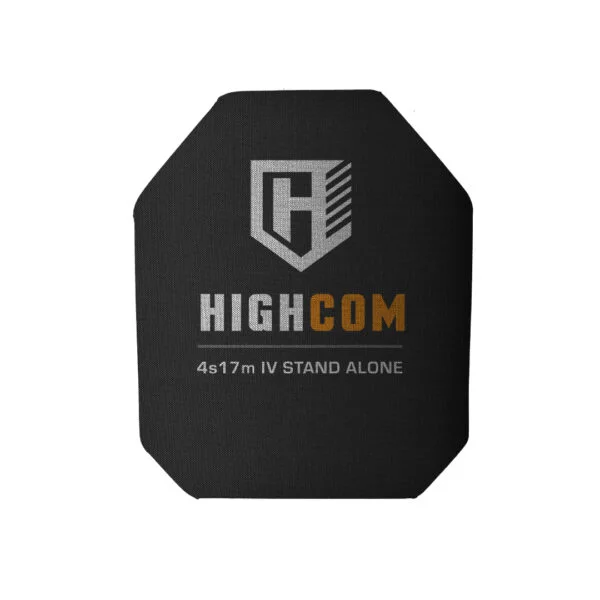
Defeating Armor Piercing Bullets with Level IV Body Armor: What You Should Know
There’s a version of this conversation that happens in gear forums, in law enforcement procurement meetings, and in civilian buyer research sessions, and it usually starts with the same premise: Level IV is the highest rating, so it stops everything. That assumption is understandable. It’s also incomplete in ways that matter when lives depend on the equipment performing as expected. Level IV body armor represents the highest tier of NIJ ballistic certification, and it does provide genuine, meaningful protection against armor-piercing rifle threats. But understanding exactly what that means, what it was tested against, what the material trade-offs look like, and where the real-world limitations sit, is what separates a well-informed gear decision from a purchase made on label confidence alone. For Law Enforcement and Military professionals: your agency’s training officers and SOPs should guide your specific setup and employment. This article focuses on gear specifications and considerations to inform purchasing decisions. What Level IV Actually Certifies NIJ Standard 0101.06 defines Level IV as protection against a single hit from a .30 caliber armor-piercing round, specifically the M2 AP projectile, fired at a velocity of 2,880 feet per second. That is the precise test condition under which a plate earns the Level IV certification, and the language matters here more than it typically gets credit for. A few things worth noting about that test protocol: The certification test involves one round. A plate that passes NIJ Level IV testing has demonstrated it can stop a single M2 AP hit within a defined backface deformation limit, meaning the deformation on the back surface of the plate that represents energy transfer to the wearer must not exceed 44mm. It does not certify multi-hit performance against armor-piercing ammunition. Some manufacturers test and publish multi-hit data voluntarily, and that documentation is worth requesting if multi-hit capability is relevant to your threat assessment. The M2 AP round is a specific armor-piercing threat, but it is not the only armor-piercing projectile in common circulation. Rounds like the M855A1 Enhanced Performance Round (a steel-penetrator 5.56 round used by the U.S. military) and the M993 7.62 AP round present different penetration profiles than the M2 AP test round. A Level IV plate tested against M2 AP is not automatically tested or certified against every AP variant. Buyers evaluating protection against specific threat profiles beyond the M2 AP should look at manufacturer-provided supplemental test data rather than relying on the NIJ certification level alone. The ballistic science behind how different projectiles interact with armor materials is worth understanding in some depth, and the testing frameworks covered through TAP Ballistics provide useful context on how armor-projectile performance is actually evaluated beyond the NIJ baseline. How Level IV Plates Are Built The engineering behind Level IV protection is where the practical trade-offs live, and understanding the material options makes it considerably easier to evaluate products honestly. Ceramic composite plates are the most common Level IV construction. They combine a hard ceramic strike face, typically alumina oxide or silicon carbide, bonded to a composite backer, usually a UHMWPE or fiberglass laminate. The ceramic face fractures on impact, rapidly disrupting and decelerating the projectile before the backer layer arrests the remaining energy and maintains structural integrity. Ceramic is highly effective against hard-core AP threats because the fracture mechanism directly addresses the penetrating properties of hardened steel cores. The practical consideration with ceramic is durability outside of ballistic events. Ceramic plates can sustain structural damage from drops, rough handling, and impacts during normal operational use that isn’t always visible on the surface. A plate that looks intact after being dropped from a vehicle or compressed under equipment load may have internal fractures that compromise its ballistic integrity. Regular inspection and adherence to manufacturer handling guidelines matters more with ceramic than with other materials. UHMWPE (ultra-high-molecular-weight polyethylene) composite plates achieve Level III certification reliably and offer excellent performance against many rifle threats, but standalone UHMWPE plates face performance limitations against hardened steel-core AP rounds due to the material’s behavior under high-hardness penetrators. Some manufacturers combine a ceramic strike face with a UHMWPE backer specifically to achieve Level IV certification with reduced weight compared to traditional ceramic composite construction, and these hybrid designs are worth evaluating if weight is a priority. Steel plates can be constructed to Level III ratings but achieving Level IV certification with steel alone is uncommon in current commercial production. Steel’s significant weight and spall fragmentation concerns make it less competitive in the Level IV space against modern ceramic and hybrid options. The Weight Reality Level IV ceramic plates are heavy. That statement is simple but its implications for purchasing decisions are often glossed over in favor of focusing on the protection specification. A standard 10×12 inch Level IV ceramic composite plate typically weighs between 7 and 9 pounds depending on construction. A front and rear pair runs between 14 and 18 pounds before the carrier, cummerbund, or any attached equipment is factored in. A fully configured Level IV plate carrier system for a patrol or operational role can realistically approach 25 to 30 pounds when carrier, side plates, and basic equipment pouches are included. That weight has direct functional consequences. Sustained movement over distance, vehicle transitions, prolonged wear during extended operations, and physical agility in close-quarters environments are all affected by the total carried weight in ways that compound over hours rather than minutes. A 16-pound plate pair feels manageable in a parking lot gear check. It feels different at hour six of a foot patrol. This is why the Level IV question is genuinely a context question rather than a straightforward “more is better” answer. For personnel in vehicle-based or static protective roles where carrier-on time is intermittent and mobility demands are lower, the Level IV weight trade-off is often well justified by the protection benefit. For personnel in roles requiring sustained mobility, extended foot movement, or agility in confined spaces, a Level III UHMWPE plate configuration that runs 3 to 4 pounds per plate may provide a more