
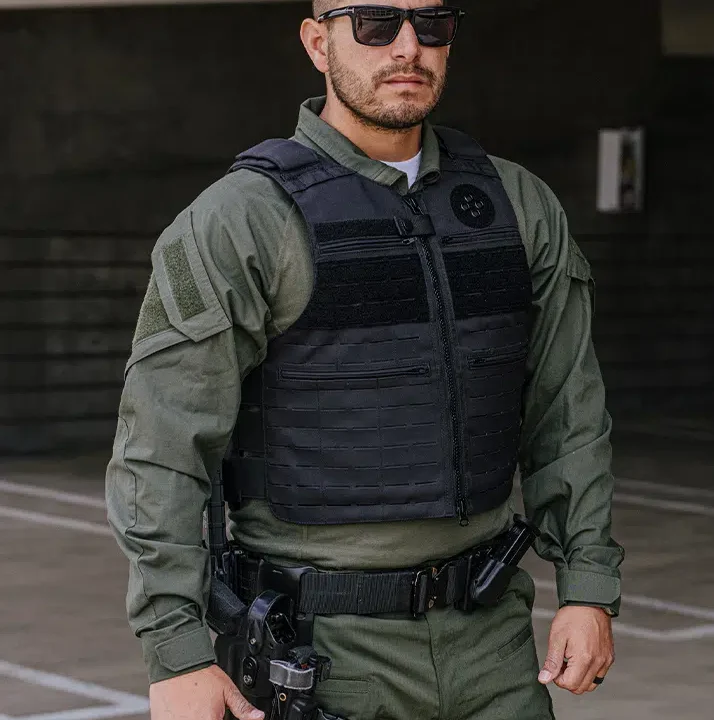
One of the most common questions we hear from first-time buyers is whether civilians are actually allowed to purchase body armor. There is a perception that protective equipment like bulletproof vests is restricted to law enforcement or military use, and while that may be true in some countries, the reality in the United States is different in most cases. Civilian ownership of body armor is generally legal, but there are important nuances around laws, purchasing expectations, and product selection that are worth understanding before you make a decision.
If you are considering body armor for personal protection, preparedness, or professional reasons, the goal should be to understand what is permitted, what options exist, and what trade-offs come with different types of armor.
Is It Legal for Civilians to Buy Body Armor?
In most parts of the United States, civilians can legally purchase and own body armor without needing a special permit or license. That includes soft armor vests and rifle-rated plates. However, laws can vary by state and local jurisdiction, and there are certain restrictions that may apply depending on criminal history or specific regional regulations.
For example, some jurisdictions place limitations on individuals with felony convictions, and a few states have additional purchasing requirements or restrictions on how armor can be acquired. Because laws can change over time, it is always worth confirming current regulations in your state before purchasing.
From a practical standpoint, many civilian buyers purchase armor through reputable manufacturers or authorized distributors who understand compliance requirements and shipping limitations across jurisdictions.
Why Civilians Choose to Buy Body Armor
People consider body armor for a variety of reasons, and those reasons often influence what type of protection makes sense. Some common motivations include:
- Personal safety concerns
- Home defense preparedness
- Professional security roles
- Emergency preparedness planning
- Training environments
- Responsible firearm ownership
There is no single profile of a civilian armor buyer. Some are security professionals, some are prepared citizens, and others are simply looking for additional peace of mind.
Types of Body Armor Available to Civilian Buyers
Understanding the major categories of armor helps set realistic expectations.
Soft Body Armor
Soft armor vests are typically designed to stop handgun threats and are commonly rated at Level IIIA under NIJ standards. These vests are flexible, concealable, and lighter than rifle-rated plates, which makes them practical for everyday wear in certain situations.
Advantages include:
- Lower weight
- Greater comfort and mobility
- Concealable under clothing
- Designed for common handgun threats
Limitations include:
- Not designed for rifle threats
- Limited protection against certain edged threats unless specifically rated
Rifle Plates
Hard armor plates are designed to stop higher-velocity rifle rounds and are usually worn inside a plate carrier system. Materials may include ceramic composites, polyethylene, or steel depending on the design and intended performance.
Advantages include:
- Higher ballistic protection capability
- Coverage against rifle threats when properly rated
- Durability depending on material type
Trade-offs include:
- Increased weight
- Reduced mobility compared to soft armor
- Greater bulk
- Higher cost for lightweight materials
If you want to explore rifle-rated protection in more detail, you can review our overview of rifle plates here:
https://arctosindustries.com/body-armor/rifle-plates/
Understanding NIJ Ratings and What They Mean
The National Institute of Justice establishes testing standards that help buyers compare armor performance across manufacturers. Common ratings include:
- Level IIIA: Designed to stop many handgun threats
- Level III / RF1: Rifle protection against certain non-armor-piercing rounds
- Level IV / RF3: Higher-level rifle threats including armor-piercing rounds
The updated NIJ 0101.07 standard introduces RF categories that more clearly define rifle threats. In plain language, higher protection levels generally mean more weight, more cost, and more bulk. Choosing the right level involves balancing protection goals with comfort and realistic use conditions.
What Civilians Should Expect During the Buying Process
Purchasing body armor is not the same as buying everyday consumer products. There are a few differences that new buyers often notice.
Lead Times
Many armor products are manufactured to order, especially when sizing or configurations vary. Lead times can range from a few weeks to several months depending on manufacturer capacity and demand.
Pricing Range
Prices vary widely based on materials, certification, weight, and manufacturer reputation. Lightweight advanced materials typically cost more because of manufacturing complexity.
Fit and Sizing Considerations
Proper sizing matters for both comfort and coverage. Armor that is too large may restrict movement, while armor that is too small may reduce protective coverage.
Shipping and Compliance
Reputable sellers typically verify shipping compliance with state regulations before fulfillment, which may affect delivery timelines.
Storage and Maintenance Considerations
Proper storage helps maintain armor performance over time. Environmental conditions such as heat, moisture, and compression can affect materials, especially soft armor panels. Organizations managing multiple sets of equipment often benefit from structured storage systems to maintain accountability and longevity.
For agencies or organizations evaluating equipment storage solutions, our Dasco Storage Solutions overview covers secure options for managing protective gear and related equipment:
https://arctosindustries.com/dasco-storage-solutions/
Setting Realistic Expectations About Protection
One of the most important things to understand is that body armor reduces risk. It does not eliminate it. Armor performance depends on threat type, impact location, and equipment condition. No product provides absolute protection in every scenario.
Being clear about limitations helps buyers make informed decisions and avoid unrealistic assumptions created by marketing language.
How Arctos Helps Civilian Buyers Navigate Options
At Arctos, we work with law enforcement agencies, government teams, and civilian buyers who want clear information about protective equipment without confusion or pressure. That includes walking through materials, protection levels, weight considerations, and budget realities so customers can evaluate options confidently.
If you are considering body armor and want help understanding what makes sense for your situation, talking through your priorities with a product specialist can simplify the decision.
Final Thoughts
Yes, civilians can buy body armor in most parts of the United States, but understanding laws, product types, and expectations helps ensure you choose the right equipment responsibly. The best decision balances protection goals with comfort, usability, and realistic needs.
If you are trying to determine what type of armor fits your situation, talk to a product specialist at Arctos. We can walk through your priorities, threat considerations, and budget to help you evaluate the right options without guesswork.
You can start the conversation here:
https://arctosindustries.com/contact/
What questions are still on your mind about civilian body armor purchases?