How Modern Police Departments Are Solving the Ammo Storage Problem
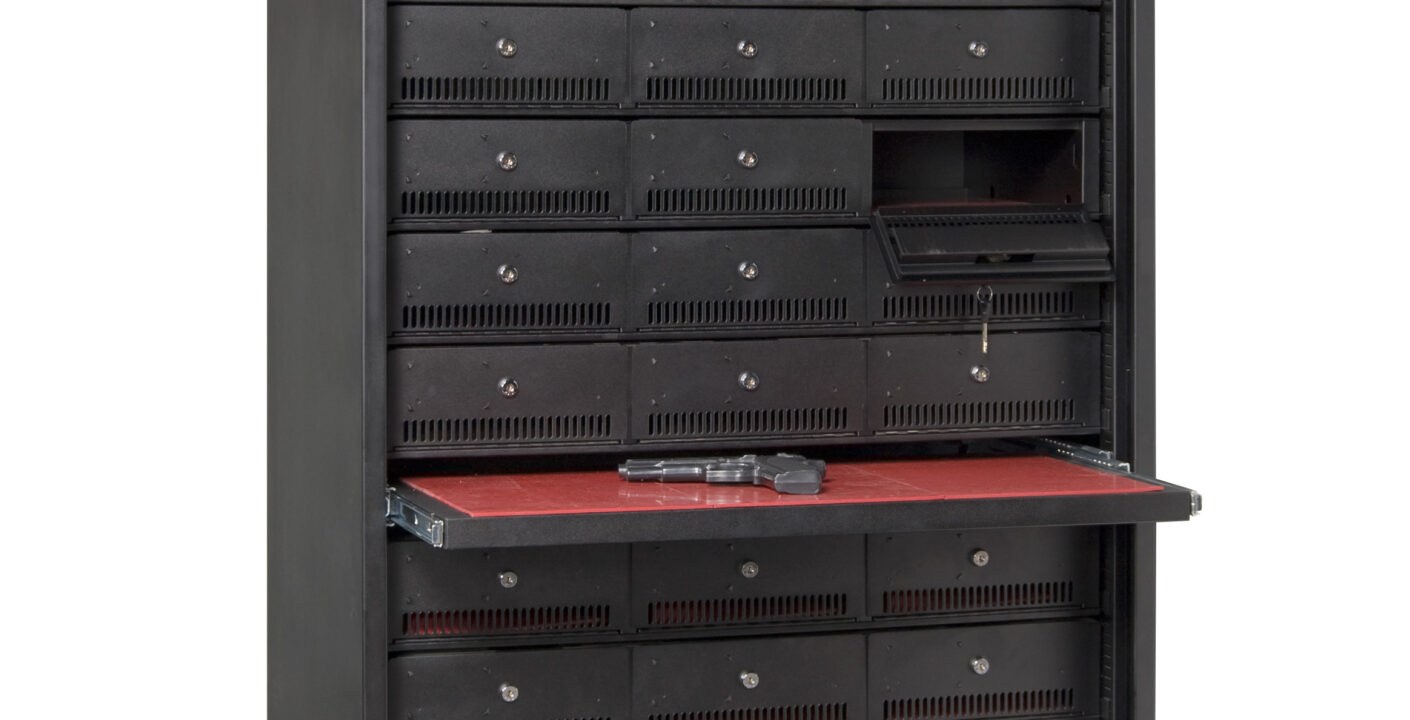
Ammunition storage doesn’t get the same attention as firearms storage. It probably should. Most departments have reasonably clear procedures around duty weapons — who signs them out, where they’re stored, how they’re tracked. Ammunition often lives in a different category in people’s minds. It’s a consumable. It gets ordered, distributed, used, and reordered. The accountability standards applied to firearms don’t always follow it through that cycle. That gap creates problems that range from audit headaches to genuine liability exposure, and the departments solving it well aren’t doing anything complicated. They’ve just stopped treating ammunition like office supplies. The Actual Problems Departments Are Running Into Before getting into solutions, it’s worth being specific about what the ammo storage problem actually looks like in practice, because it tends to show up in a few different ways depending on department size and operational tempo. Inventory discrepancies that can’t be explained. A department orders 10,000 rounds, issues a known quantity for qualifications and duty carry, and ends up with a number at the end of the period that doesn’t reconcile with either figure. Without lot-level tracking, there’s no way to know whether the discrepancy is a counting error, a documentation gap, or something more serious. Mixed storage creating evidence contamination risk. Departments that store duty ammunition and evidence ammunition in the same space, or in adjacent unsecured spaces, create chain-of-custody vulnerabilities for seized rounds. During an audit or prosecution, the inability to prove physical separation between duty and evidence ammunition is a problem. Expiration and rotation failures. Ammunition has a service life. Duty rounds that have been carried through temperature extremes, high humidity environments, or simply held past their recommended service period need to be cycled out. Departments without a systematic rotation process end up with officers carrying ammunition that hasn’t been assessed for serviceability, and no documentation to show it has been managed. Distribution accountability gaps. Who received which ammunition, in what quantity, on what date, for what purpose — this information matters for both audit compliance and operational accountability. Manual distribution logs are inconsistently maintained, especially in high-tempo environments. What Purpose-Built Ammo Storage Actually Changes The shift from ad hoc ammunition storage to a purpose-built system changes a few specific things, and it’s worth being precise about what those are rather than making general claims about “better organization.” First, it enforces physical separation. A dedicated ammunition storage system keeps duty ammunition, qualification ammunition, and evidence ammunition in physically distinct, access-controlled spaces. That separation isn’t just good practice — it’s documentable, which matters when an auditor or prosecutor asks whether your evidence ammunition could have been commingled with departmental stock. Second, it enables lot-level tracking. Knowing that you have 8,000 rounds of a particular caliber on hand is useful. Knowing which lot numbers those rounds came from, when they were received, and how they’ve been distributed is what an audit actually requires. Purpose-built storage systems designed for law enforcement make lot-level tracking a built-in process rather than a manual reconciliation exercise. Third, it creates a distribution audit trail. When ammunition leaves storage, the system records who took it, how much, and when. That record exists whether or not the person distributing it remembers to write it down, which is the difference between a system that depends on consistent human behavior and one that doesn’t. Explore DASCO’s law enforcement ammunition storage solutions to see how these principles apply across different department sizes and storage configurations. How Departments Are Handling Rotation and Expiration This is the operational challenge that comes up most consistently in conversations with range masters and armory supervisors. Ammunition rotation sounds straightforward until you’re managing multiple calibers, multiple duty assignments, and a qualification schedule that doesn’t always align neatly with your reorder cycle. The departments handling this well have built rotation into their storage system rather than relying on calendar reminders or individual officer accountability. Practically, this means storage configurations that make first-in, first-out distribution the default rather than something that requires deliberate effort. It means lot tracking that flags ammunition approaching its recommended service period before it becomes a compliance issue. And it means a distribution record that shows, for any given officer, exactly what ammunition they’re currently carrying and when it was issued. Some departments have also moved to a centralized issue model for duty ammunition rather than allowing officers to manage their own carry rounds independently. The accountability benefits are significant: every officer’s duty ammunition is issued from a tracked system, rotated on a documented schedule, and the department can demonstrate that process to an auditor or in a use-of-force review. Sizing the Solution to the Department Ammunition storage needs vary significantly between a 15-officer rural department and a 300-officer municipal agency. The principles are the same but the infrastructure requirements aren’t, and one of the more common mistakes is departments either over-building for their actual volume or under-building and running out of capacity within a year of installation. A few questions worth working through before specifying a system: What is your actual annual round consumption? Factor in duty carry, qualifications, training, and any specialized unit requirements. This gives you a baseline storage volume requirement. How many calibers do you actively manage? Multi-caliber storage needs physical separation within the system to prevent distribution errors. A single-caliber department has significantly simpler requirements than one managing handgun, rifle, and shotgun ammunition across multiple units. Do you store evidence ammunition? If yes, that requires dedicated space with access control independent of your duty ammunition storage, regardless of department size. What does your reorder cycle look like? Departments that order quarterly need more on-hand storage capacity than those with monthly delivery. Your storage system should accommodate your peak inventory level, not your average. The full range of DASCO law enforcement storage solutions covers configurations suited to departments across this entire spectrum, with options that scale as operational requirements change. The Audit Question Nobody Wants to Wait For Most departments don’t think seriously about ammunition accountability until an audit asks them to produce