How SWAT Teams Stage Weapons for Fastest Possible Response Time
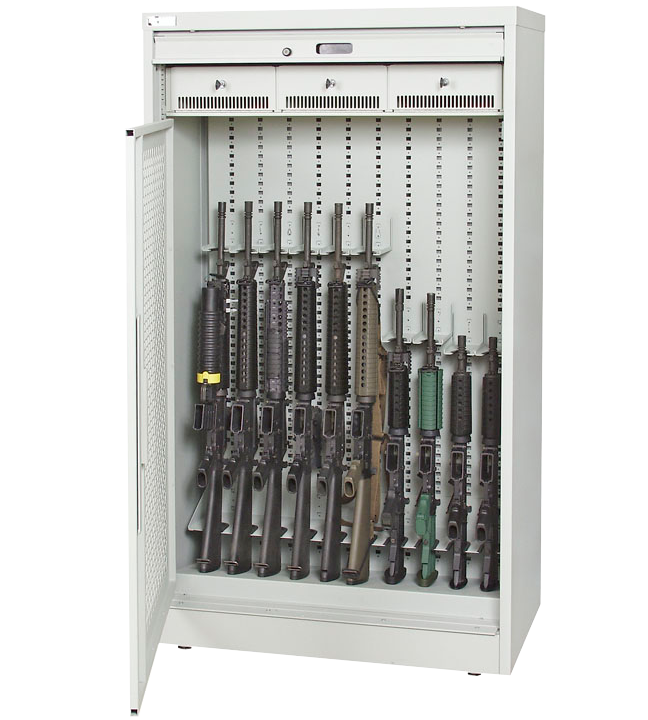
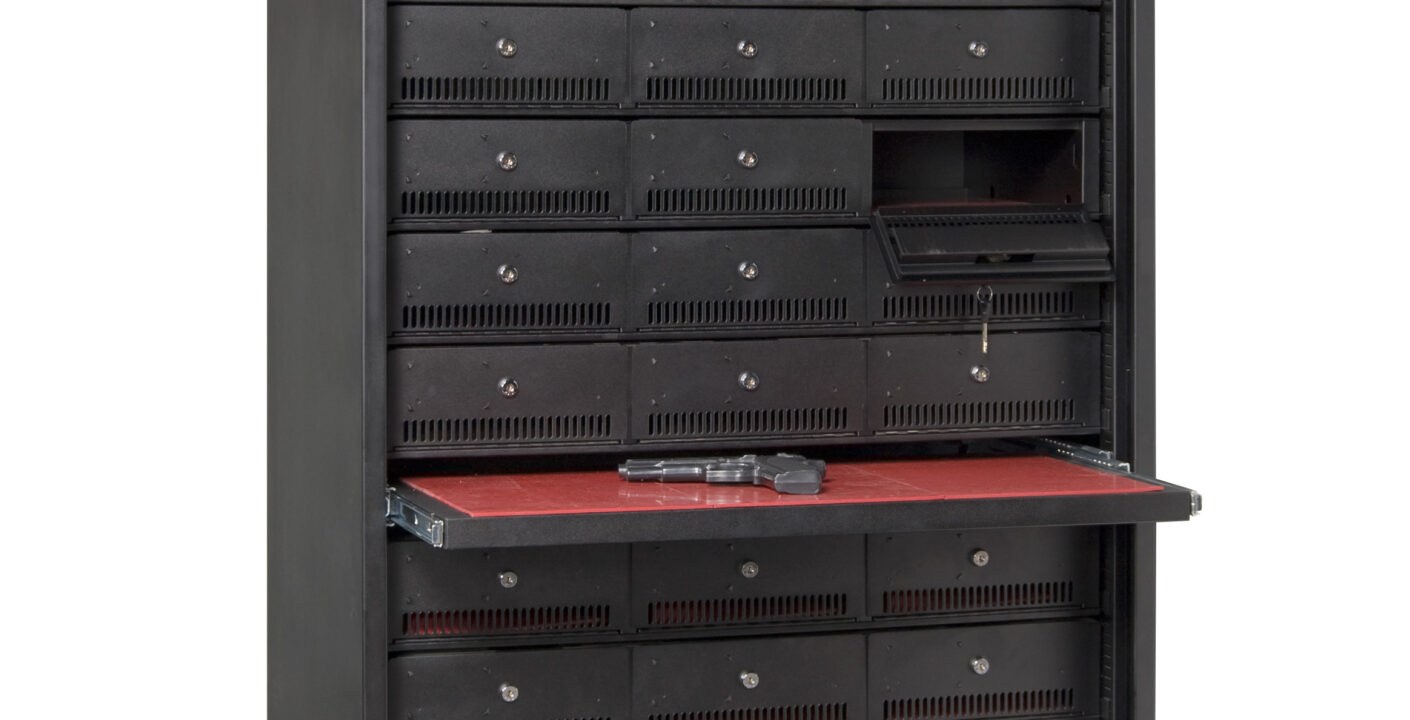
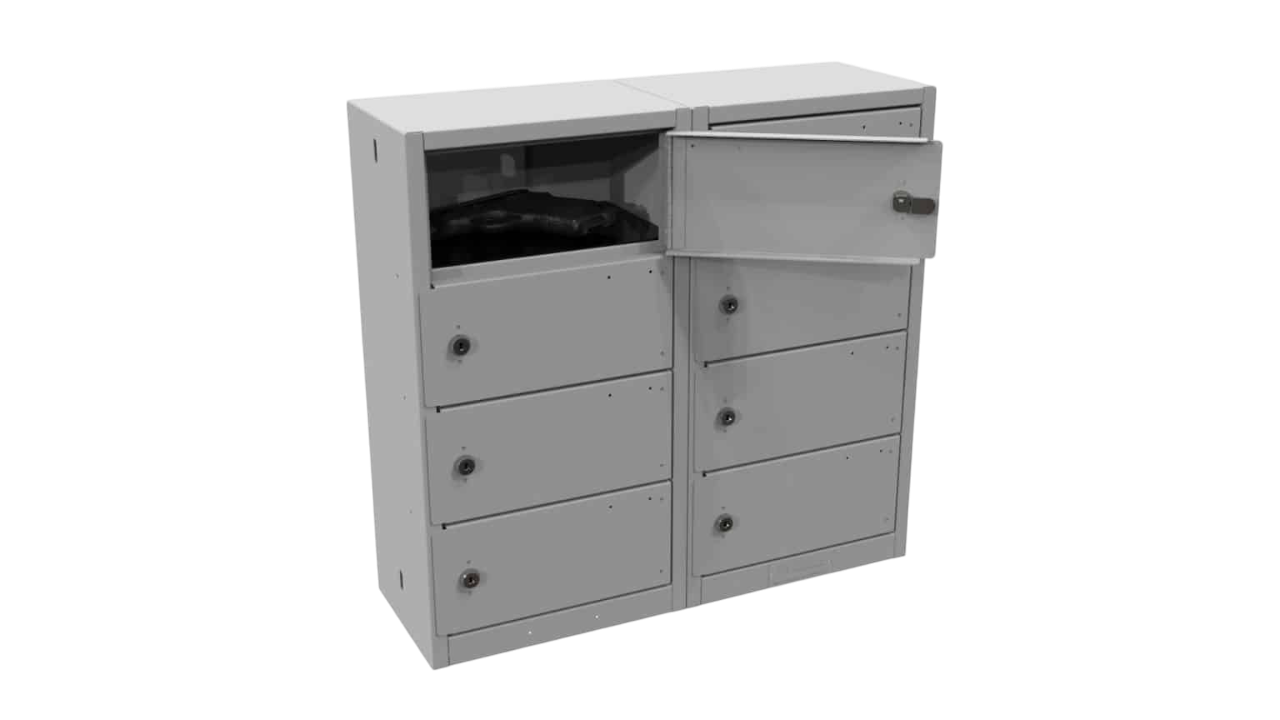
For Law Enforcement and Military professionals: your agency’s training officers and SOPs should guide your specific operational setup and tactical employment. This article focuses on weapons storage and staging specifications to inform equipment and infrastructure purchasing decisions. A SWAT callout doesn’t give you time to figure out where anything is. From the moment the phone rings, the clock is running. Every minute between notification and deployment is a minute the situation on the other end is developing without a response. The teams that consistently get out the door fastest aren’t necessarily the most physically fit or the most tactically experienced, though those things matter. They’re the teams whose equipment is staged so that the physical process of gearing up requires almost no cognitive load and almost no time. That outcome doesn’t happen by accident. It’s the product of storage and staging infrastructure designed specifically around callout requirements, and the details matter more than most people outside the environment realize. The Callout Timeline and Where Storage Fits Think through what a callout actually demands from a storage system. An operator receives notification, often in the middle of the night, and needs to go from zero to fully equipped and mobile in a timeframe that in well-run units is measured in single-digit minutes. Every second spent locating a weapon, confirming its condition, or working around a staging system that wasn’t designed for speed is a second added to that timeline. Over a full callout sequence, across an entire team, those seconds accumulate into minutes. In a hostage situation or an active threat scenario, those minutes have consequences. The storage system’s job in this context isn’t just to secure weapons between deployments. It’s to present them in a condition and configuration that allows an operator to take custody, conduct a function check, and move without breaking stride. That’s a meaningfully different design requirement than general secure storage, and it drives different specification decisions. Individual Assignment: The Non-Negotiable Starting Point In a callout environment, shared weapons storage creates a problem that goes beyond accountability. When an operator arrives at the armory and needs to locate their assigned weapon among a bank of similarly configured rifles, any ambiguity in the storage layout costs time and introduces the possibility of error under stress and fatigue. Individual weapon assignment with clearly designated, individually accessed storage positions eliminates that ambiguity entirely. An operator goes to their position, accesses it with their credential, and their weapon is there in the configuration they left it. No searching, no cross-checking serial numbers, no working around a system that doesn’t distinguish between one operator’s equipment and another’s. Individual assignment also means that when a weapon comes back from a deployment or a training evolution in a condition that requires attention, that condition is immediately attributable and immediately addressed before the next callout rather than discovered during one. DASCO’s law enforcement weapons storage systems support individual assignment configurations with access control at the position level, so each operator’s storage space is accessible only to them and to authorized armory personnel, with every access event logged automatically. Staging vs. Storage: Understanding the Distinction There’s a meaningful difference between storage and staging, and SWAT units that have optimized their callout response time have usually been deliberate about designing both. Storage is where weapons live between deployments: secured, access-controlled, fully maintained, and documented. Staging is the transition zone where weapons move from storage to deployment-ready status, where function checks happen, where accessories are confirmed attached and configured, and where the operator and their weapon come together as a functional unit before leaving the facility. A common failure in less optimized setups is using the storage system as the staging area, which means the area immediately around the storage units becomes congested during a callout as multiple operators are simultaneously conducting checks in the same limited space. Under time pressure, that congestion creates errors and delays. Purpose-built callout facilities separate these functions physically. Storage is in the armory. Staging happens in an adjacent, purpose-designed space with enough room for multiple operators to conduct checks simultaneously without interference. The flow moves in one direction: storage to staging to out the door. Long Gun Configuration and Accessibility Long gun storage for SWAT applications has specific requirements that general law enforcement weapons storage doesn’t always address. The weapons are larger, often have optics and accessories attached, and need to be accessible in a way that doesn’t require disassembly or reconfiguration at retrieval. Vertical storage with individual positions sized for the weapon as it’s actually configured, including mounted optics, suppressors where applicable, and attached accessories, allows operators to retrieve their weapon without removing or adjusting anything. Horizontal storage in stacked configurations can work but tends to require more handling time and creates more opportunity for accessories to be disturbed during retrieval. Muzzle-up versus muzzle-down orientation is a configuration preference that varies between units, but the consistent principle is that whatever orientation is chosen should allow one-handed retrieval so the operator’s other hand is free to manage their access credential, a radio, or other equipment simultaneously. Dedicated positions for each operator’s secondary weapon, stored adjacently to their primary, keep the retrieval sequence compact and consistent. An operator who moves to the same two positions every callout and retrieves their weapons in the same sequence every time is building a procedural reflex that functions correctly even when fatigued or under stress. Military and High-Tempo Operational Environments The staging and storage principles that apply to SWAT callout readiness translate directly to military unit armory operations, where the tempo of deployments and the consequence of storage failures are both higher. Military armory operations add layers of accountability that require storage infrastructure capable of supporting detailed inventory management, individual issue and return logging, and the kind of chain-of-custody documentation that a formal investigation or Inspector General review will require. The callout readiness requirement and the accountability requirement aren’t in tension in a well-specified system. They’re addressed simultaneously by storage infrastructure designed for both. DASCO’s military